Basketball Positions Explained
One through five, and positionless ball. Point guard, shooting guard, small forward, power forward and center: what each position does, who plays it best, and why modern teams blur the lines.
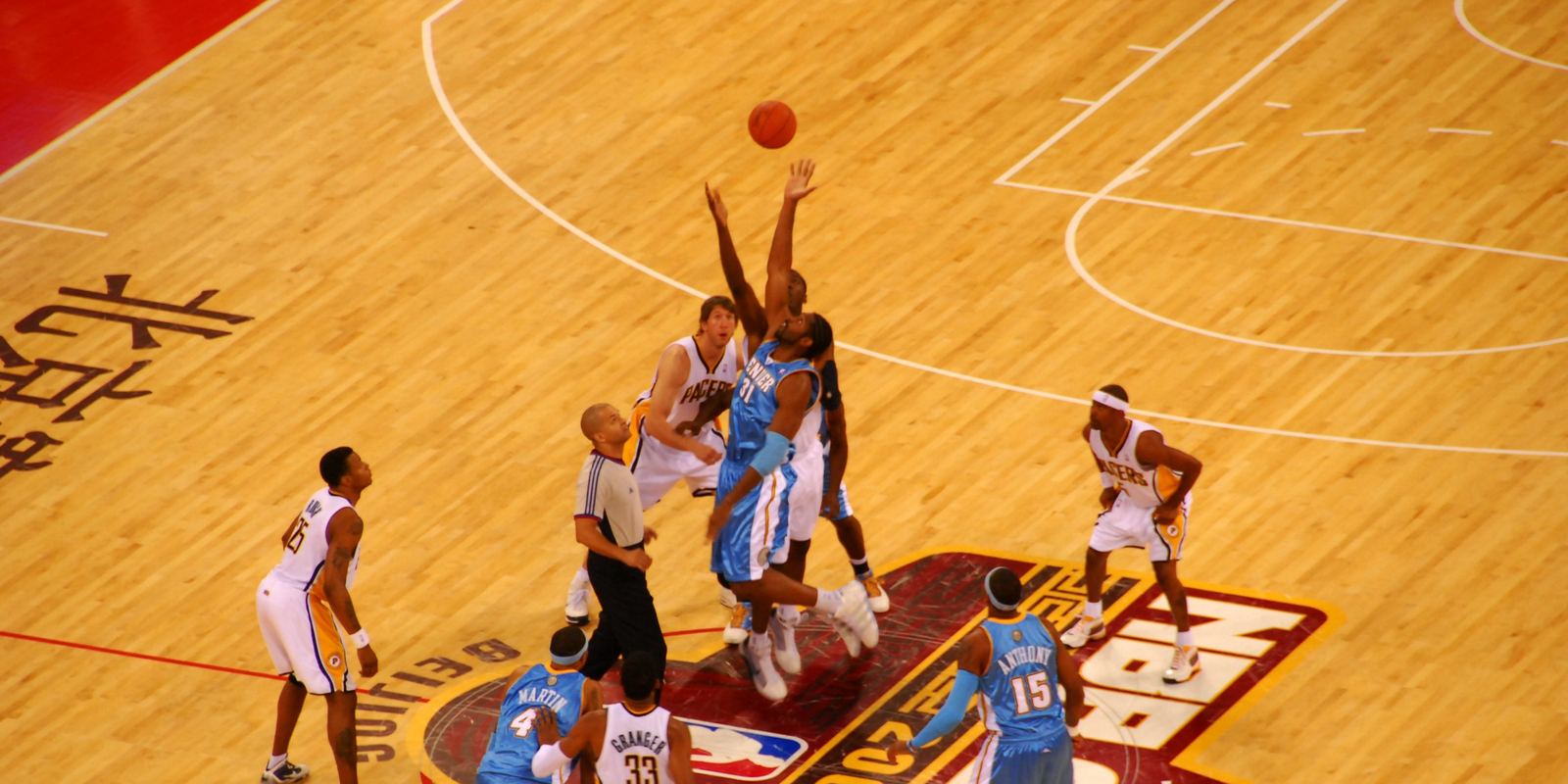
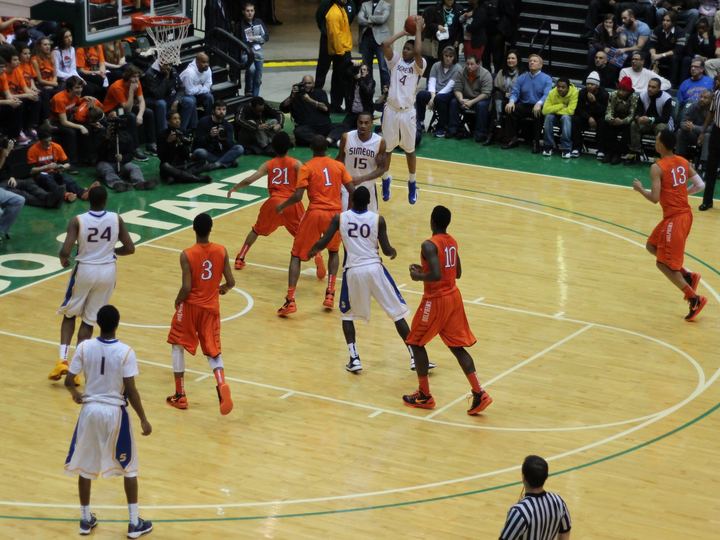
Ten players, five positions: William Liao, CC BY-SA 2.0
The guards: 1 and 2
The point guard, or 1, brings the ball up the floor, calls plays and sets up teammates. Classic examples are Magic Johnson, John Stockton and Chris Paul. Today many point guards are also the team's top scorer, like Stephen Curry or Jalen Brunson.
The shooting guard, or 2, is usually the best perimeter scorer, moving off screens and creating shots. Michael Jordan and Kobe Bryant defined the position. Good 2s also defend the other team's best guard.
A combo guard can play either spot, which is why many teams now simply list players as guards.
The forwards: 3 and 4
The small forward, or 3, is the all-around wing: big enough to rebound, quick enough to guard guards and skilled enough to score inside and out. Larry Bird, LeBron James and Kevin Durant are famous 3s.
The power forward, or 4, used to be a physical inside player who rebounded and scored in the post, like Karl Malone or Tim Duncan. The modern 4 often shoots threes, a style nicknamed the stretch four, which pulls a big defender away from the basket.
Scottie Pippen often brought the ball up for the Bulls as a point forward, and modern forwards like Giannis Antetokounmpo do the same.
The center: 5
The center, or 5, is usually the tallest player. Traditional centers protect the rim, rebound and score close to the basket, like Bill Russell, Shaquille O'Neal and Hakeem Olajuwon.
Modern centers can do more. Nikola Jokic runs the offense as a passer from the high post, and Victor Wembanyama handles the ball and shoots from deep while still blocking shots.
Centers also anchor the defense by calling out screens, because they see the whole floor from the back. In the WNBA, A'ja Wilson plays like a modern 4 and 5 with guard-like footwork.
Positionless basketball
Today many coaches talk about ball handlers, wings and bigs instead of five set positions. A team might play five players who can all dribble, pass and shoot. Terms like point forward, combo guard and small-ball center describe players who mix roles.
If you are learning, do not worry about labels. Work on dribbling with both hands, shooting, passing and defending. The more skills you have, the more positions you can play.
Coaches still use the numbers to call plays, so you may hear a coach shout for the 4 to set a screen for the 1. Knowing the numbers helps you follow huddles and broadcasts.
- Ten players, five positions: William Liao, CC BY-SA 2.0
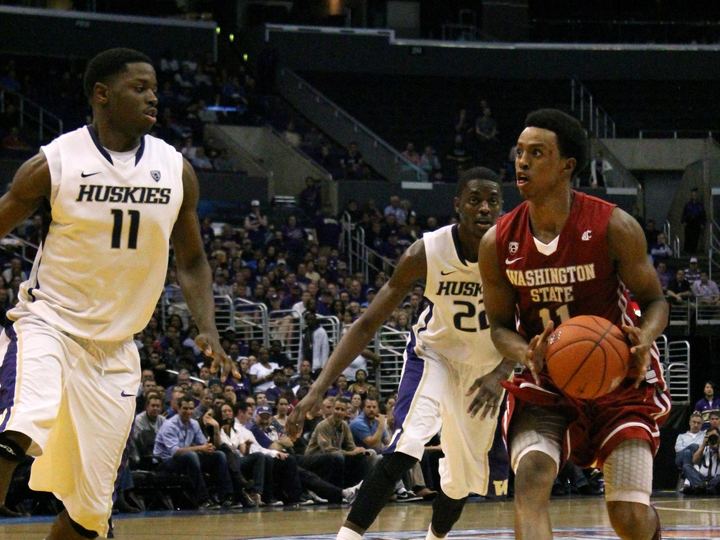
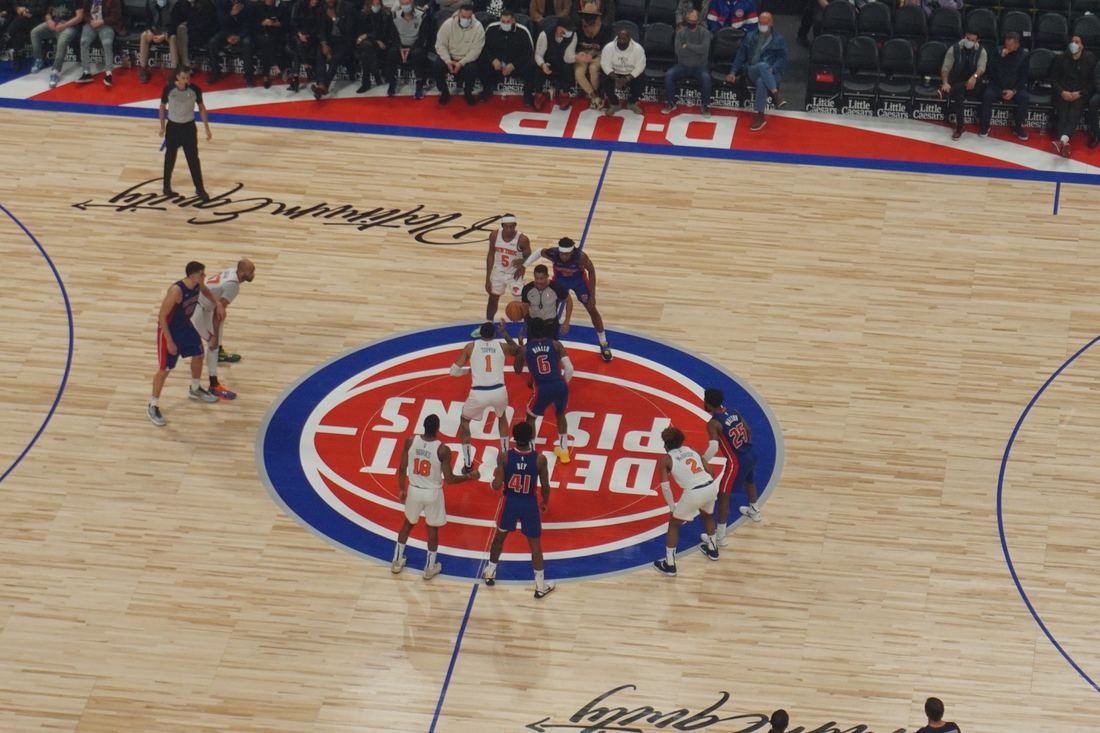
- Jump ball at center court: Michael Barera, CC BY-SA 4.0
Text written by Fly Baller.